Skilling and Livelihoods
Poverty can only be defeated when people are empowered with practical skills and sustainable opportunities.
Skilling and Livelihoods
At Agape Children Foundation, we believe that lasting change happens when individuals are empowered with practical skills, opportunities, and the confidence to build sustainable futures for themselves and their families. Through our Skilling and Livelihoods Program, we support vulnerable youth, women, caregivers, and low-income families with vocational training, entrepreneurship support, and income-generating opportunities that help break cycles of poverty and dependency.
In many rural communities across Uganda, limited access to education, unemployment, and economic hardship continue to leave families struggling to meet their basic needs. Young people often lack access to vocational skills, while many women and caregivers have limited opportunities to earn stable incomes to support their households and children. Our Skilling and Livelihoods Program was developed to respond to these challenges by equipping community members with practical, marketable, and sustainable skills that can improve their quality of life and long-term economic resilience.
The program focuses on empowering individuals not only to survive, but to thrive with dignity, independence, and hope. We work closely with vulnerable households, caregivers of orphaned children, women, and youth to provide skills development opportunities that strengthen self-reliance and create pathways toward financial stability. Community-based empowerment and livelihood initiatives continue to play a critical role in poverty reduction and sustainable development across underserved communities.
Through this initiative, participants gain access to:
Vocational and practical skills training
Entrepreneurship guidance and small business support
Agricultural and sustainable farming skills
Financial literacy and savings awareness
Income-generating project opportunities
Mentorship and confidence-building support
Community empowerment and self-reliance programs
Life-skills training for youth and caregivers
Our approach recognizes that empowering caregivers and families directly contributes to the well-being of children. When families are financially stable, children are more likely to remain in school, receive proper nutrition, and grow up in safer and healthier environments.
The program also creates opportunities for youth who may not have had access to higher education or formal employment. By learning practical skills and participating in small-scale livelihood projects, young people are better positioned to build independent futures and contribute positively to their communities.
The Impact of the Skilling and Livelihoods Program
Over time, the Skilling and Livelihoods Program has helped restore hope and confidence among vulnerable individuals and families facing economic hardship. Participants who once struggled to meet their daily needs are gradually developing skills that allow them to earn income, support their children, and improve their living conditions.
The program has helped to:
Improve household income and financial stability
Reduce dependency and economic vulnerability
Empower women and caregivers with sustainable skills
Support youth in developing employable and entrepreneurial abilities
Strengthen food security through agricultural training and farming activities
Increase confidence, dignity, and self-reliance among participants
Improve children’s well-being through stronger family support systems
For many participants, the program provides more than economic support—it restores a sense of purpose, possibility, and personal value. Women and caregivers who previously felt limited by poverty are gaining confidence to start small businesses, participate in farming projects, and contribute actively to their families and communities.
The impact also extends to the wider community by promoting local economic activity, reducing social vulnerability, and encouraging community-driven development. Sustainable livelihood and skills-based programs are increasingly recognized as essential tools for strengthening resilience and reducing long-term poverty in vulnerable communities.
Our Vision for Growth and Expansion
As economic challenges continue to affect vulnerable families, Agape Children Foundation is committed to expanding the Skilling and Livelihoods Program so that more people can access opportunities for sustainable growth and independence.
Our future plans include:
Expanding vocational training opportunities for youth and women
Establishing dedicated skills-training and community learning centers
Introducing tailoring, crafts, baking, digital skills, and other practical training programs
Expanding agricultural and livestock livelihood projects
Providing start-up support for small businesses and self-employment initiatives
Creating mentorship and cooperative savings groups within communities
Partnering with local businesses, trainers, and development organizations
Strengthening financial literacy and entrepreneurship education
Developing sustainable income-generating projects to support vulnerable households
Our long-term vision is to build empowered communities where vulnerable families are equipped not only with immediate support, but with the skills and opportunities needed to create lasting change for future generations.
At Agape Children Foundation, we believe that poverty cannot be defeated through charity alone—it is overcome when people are empowered with knowledge, opportunity, and the ability to provide for themselves with dignity. Through the continued support of donors, volunteers, sponsors, and community partners, the Skilling and Livelihoods Program is helping individuals rebuild confidence, restore hope, and create sustainable pathways toward brighter and more secure futures.
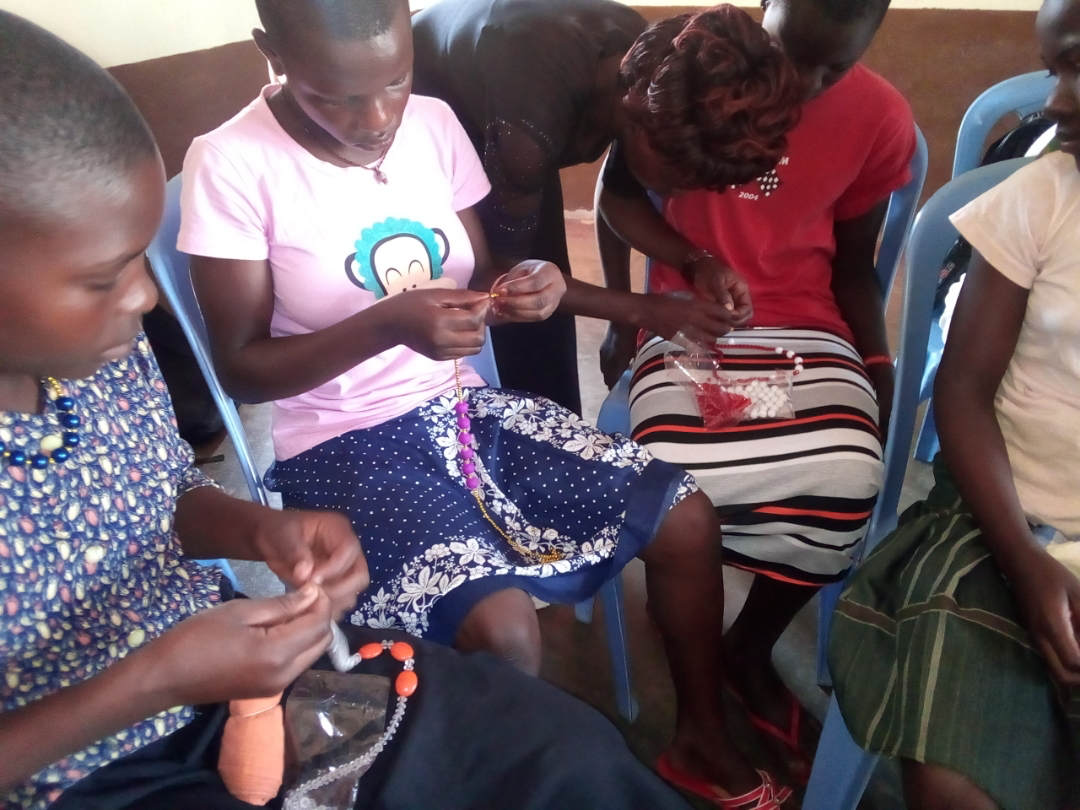
Your support helps individuals build sustainable livelihoods and create better futures for their families.
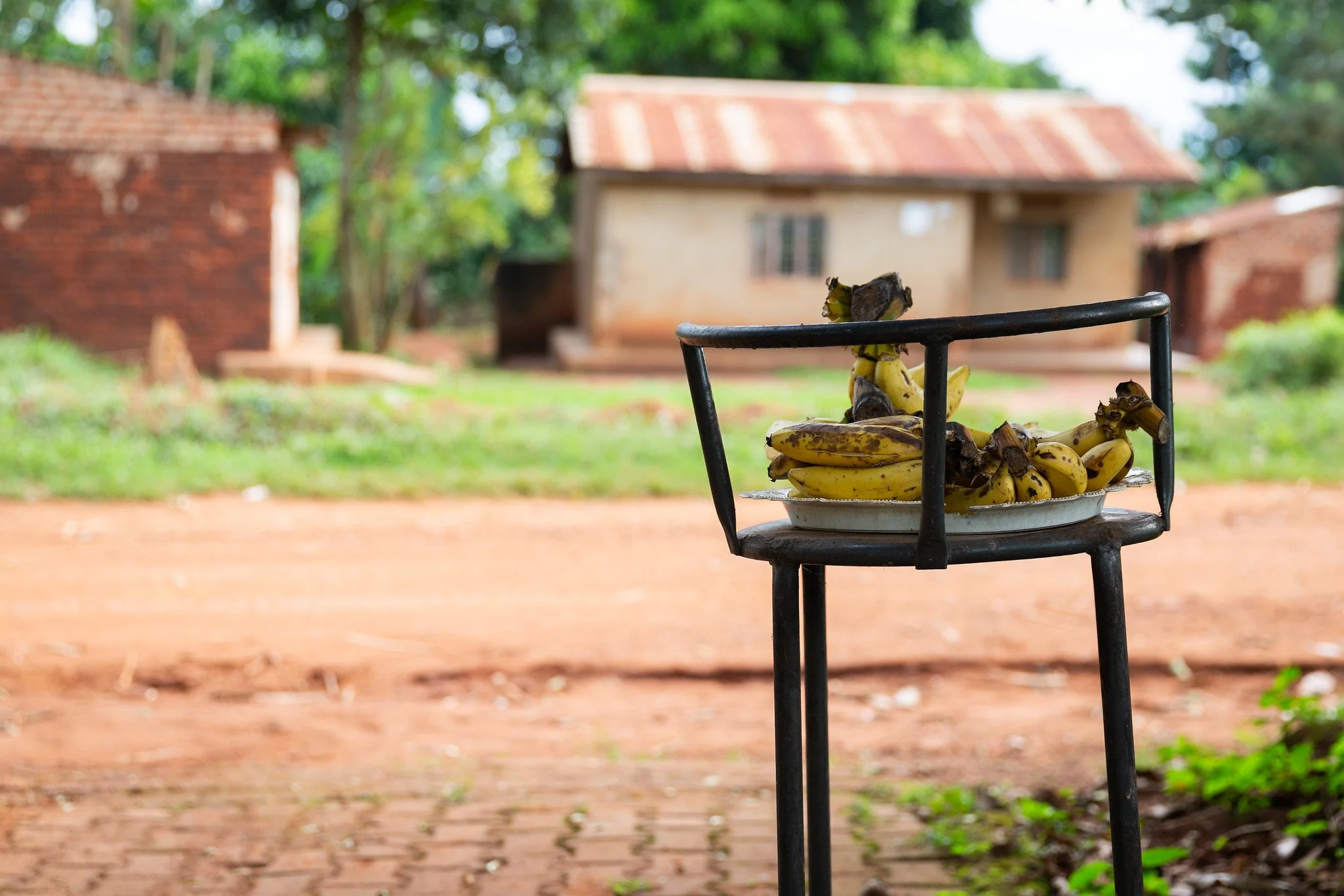
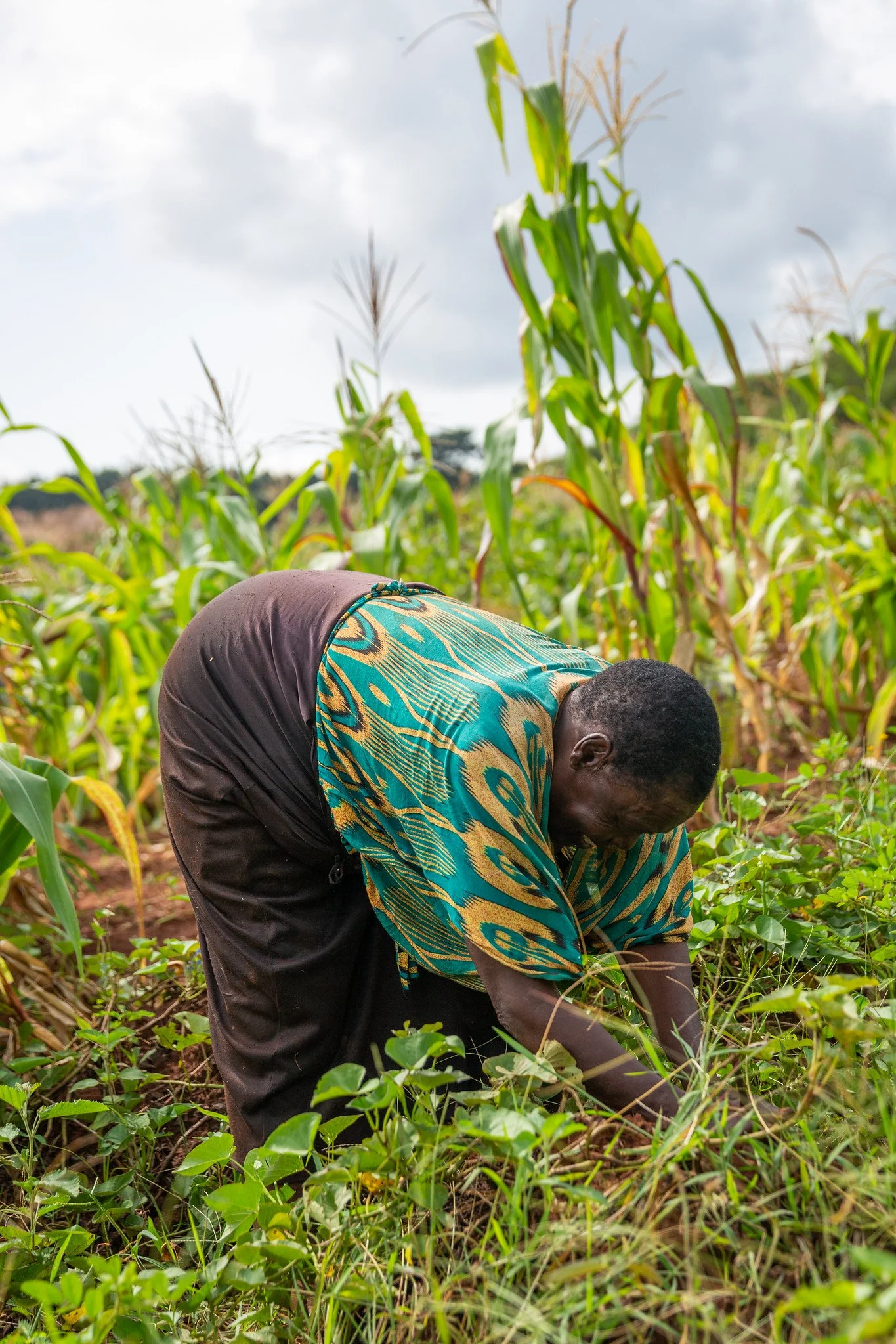
From tailoring and crafts to agriculture, digital skills, and small business development, we aim to create pathways toward dignity, self-reliance, and long-term community transformation.